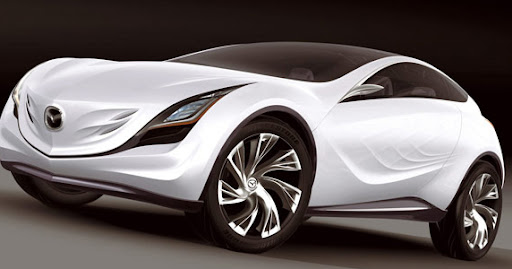
The automobile industry is a multi-billion dollar industry, specific
attention is paid to the design of an automobile and the art of
designing automobiles has a lot of science involved to it. Designers
need to even look at the ergonomics when they are designing the
appearance of a car. The people working on the design of a car are
called automotive engineers. Normally, these people hold degrees in
industrial design or transportation design.
Developing the visual appearance and the overall aesthetics of the car is the major job criterion. It is further divided into exterior styling, interior styling and color and trim design. The design of the vehicle needs to be in harmony with all its functions and accessories. Exterior styling refers to the exterior shape, surfaces, proportions and the external design of the car. Virtual models are first created before the actual prototypes. The main purpose of interior styling is to provide maximum convenience and comfort to the passenger. The shape, proportion and surfaces are also important here. The instrumental panel, seats, doors, windows, dash board etc are fall under the broad category of interior styling. The color and trim design team is primarily responsible for researching, designing and developing all the colors and materials which will be used in the interior and exterior design of the vehicle. Often, these designs follow a particular theme or concept. With the advent of computers and technology, computer-aided design is used by graphic designers to design 3D models of cars.
Historically, automotive design was not as significant as it is today. In 1924, a turning point occurred when General Motors decided to make annual model changes and urged the customers to develop a need to replace their car each year. Alfred P. Sloan Jr., the head of General Motors, referred to the strategy as dynamic obsolescence whereas critics slammed it as being planned obsolescence. Ford did not adopt this strategy and hence by 1931 General Motors outsold Ford. After that period the design of the car has acquired utmost importance in the eyes of a customer and car manufacturers constantly update models, even if the underlying function and design of the car remain the same.
Along with the physics of the car and a need to be aerodynamically stable, car manufacturers also need to focus their attention on the psychology of the customer. When a powerful car is mentioned, the image of a sleek design with a low and wide base comes to the mind since many of the sports cars manufactured follow that general theme. However, we have internalized these notions and we tend to generalize along these lines. It is difficult for manufactures to go beyond these stereotypes and beyond the psychology of the mass audience to innovate greatly. Car manufactures are constantly looking for major innovation to cater to market differentiation. Concept cars are often produced as prototypes to judge the reaction of people. Many car manufacturers believe that a concept that lacks context is simply confusing so there is great interest in developing stories around concept cars to create popularity.
Developing the visual appearance and the overall aesthetics of the car is the major job criterion. It is further divided into exterior styling, interior styling and color and trim design. The design of the vehicle needs to be in harmony with all its functions and accessories. Exterior styling refers to the exterior shape, surfaces, proportions and the external design of the car. Virtual models are first created before the actual prototypes. The main purpose of interior styling is to provide maximum convenience and comfort to the passenger. The shape, proportion and surfaces are also important here. The instrumental panel, seats, doors, windows, dash board etc are fall under the broad category of interior styling. The color and trim design team is primarily responsible for researching, designing and developing all the colors and materials which will be used in the interior and exterior design of the vehicle. Often, these designs follow a particular theme or concept. With the advent of computers and technology, computer-aided design is used by graphic designers to design 3D models of cars.
Historically, automotive design was not as significant as it is today. In 1924, a turning point occurred when General Motors decided to make annual model changes and urged the customers to develop a need to replace their car each year. Alfred P. Sloan Jr., the head of General Motors, referred to the strategy as dynamic obsolescence whereas critics slammed it as being planned obsolescence. Ford did not adopt this strategy and hence by 1931 General Motors outsold Ford. After that period the design of the car has acquired utmost importance in the eyes of a customer and car manufacturers constantly update models, even if the underlying function and design of the car remain the same.
Along with the physics of the car and a need to be aerodynamically stable, car manufacturers also need to focus their attention on the psychology of the customer. When a powerful car is mentioned, the image of a sleek design with a low and wide base comes to the mind since many of the sports cars manufactured follow that general theme. However, we have internalized these notions and we tend to generalize along these lines. It is difficult for manufactures to go beyond these stereotypes and beyond the psychology of the mass audience to innovate greatly. Car manufactures are constantly looking for major innovation to cater to market differentiation. Concept cars are often produced as prototypes to judge the reaction of people. Many car manufacturers believe that a concept that lacks context is simply confusing so there is great interest in developing stories around concept cars to create popularity.